Posts Tagged Our Town
Love is in the noticing – thoughts on 2025
Posted by cathannabel in Personal on December 31, 2025
This is a purely personal take on 2025. I cannot bear to bring to mind, let alone attempt to write about, what this year has been in terms of world events and politics at home. This is cowardly, I know, but there are better minds than mine grappling with the state of things, and all I could do would be to repeat uselessly how absolutely bloody awful everything is, and how hard it is to see any glimpses of hope, as the handcart in which we are going to hell appears to gather speed. So, I will talk about my little world instead.
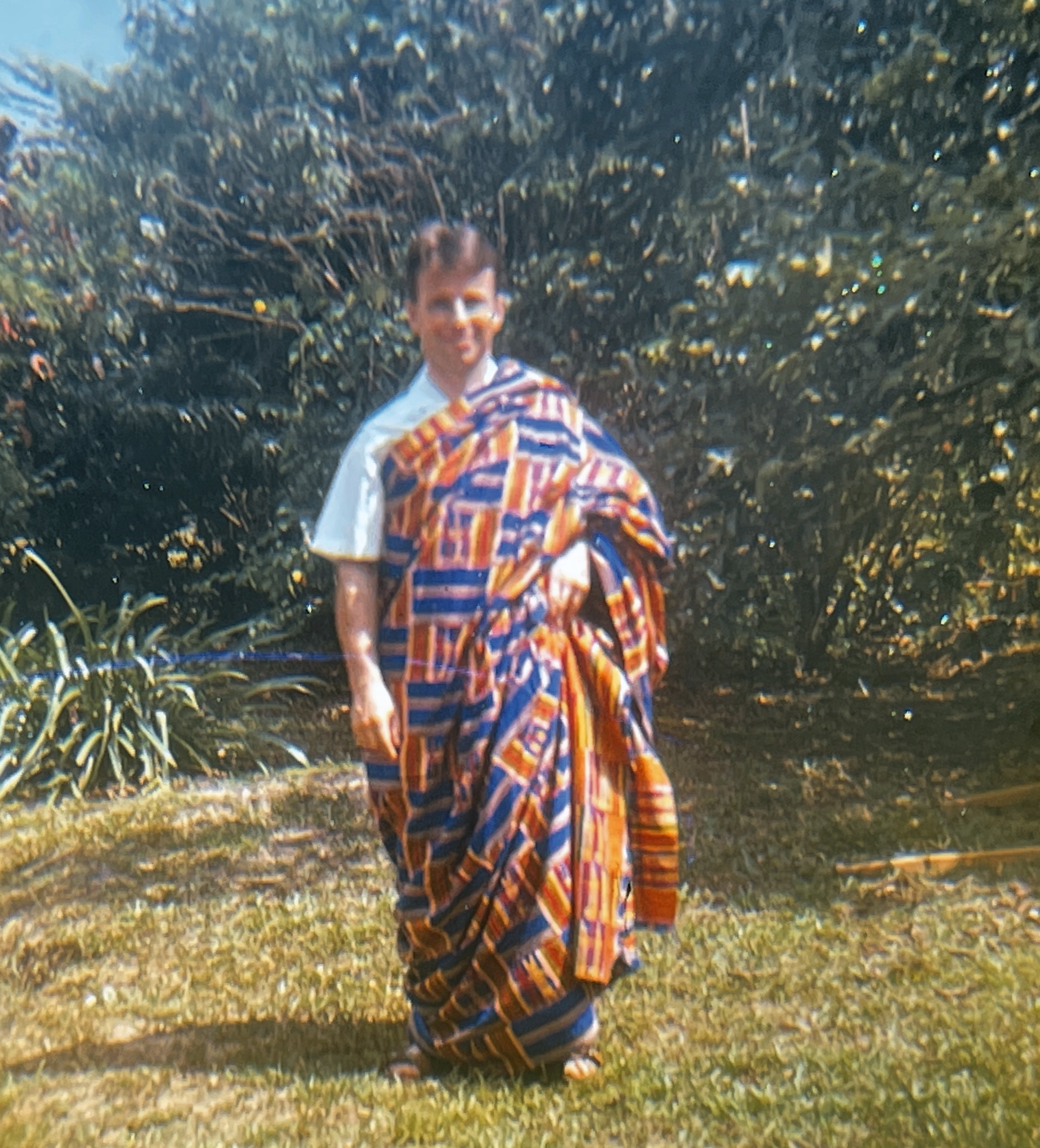
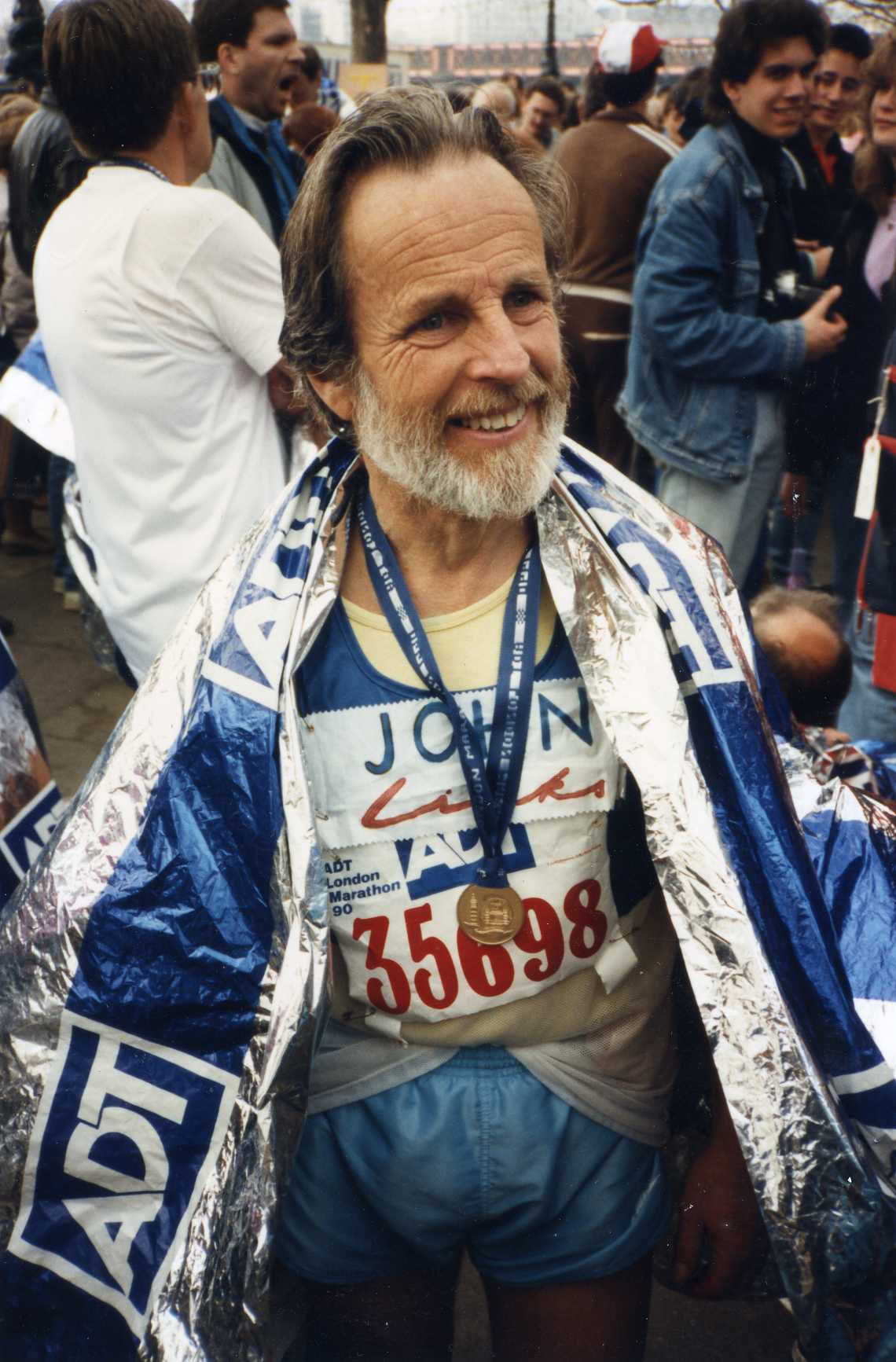
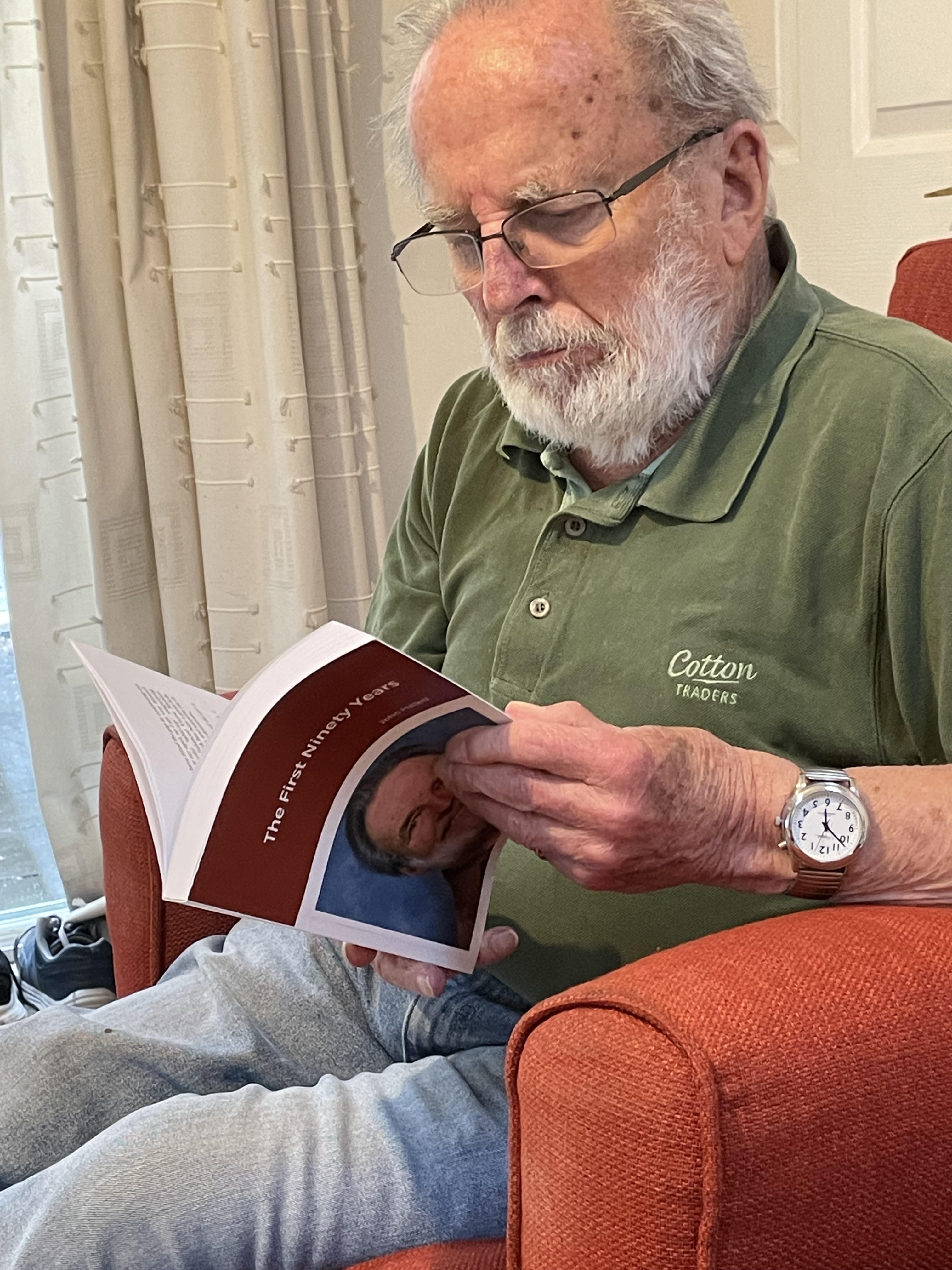
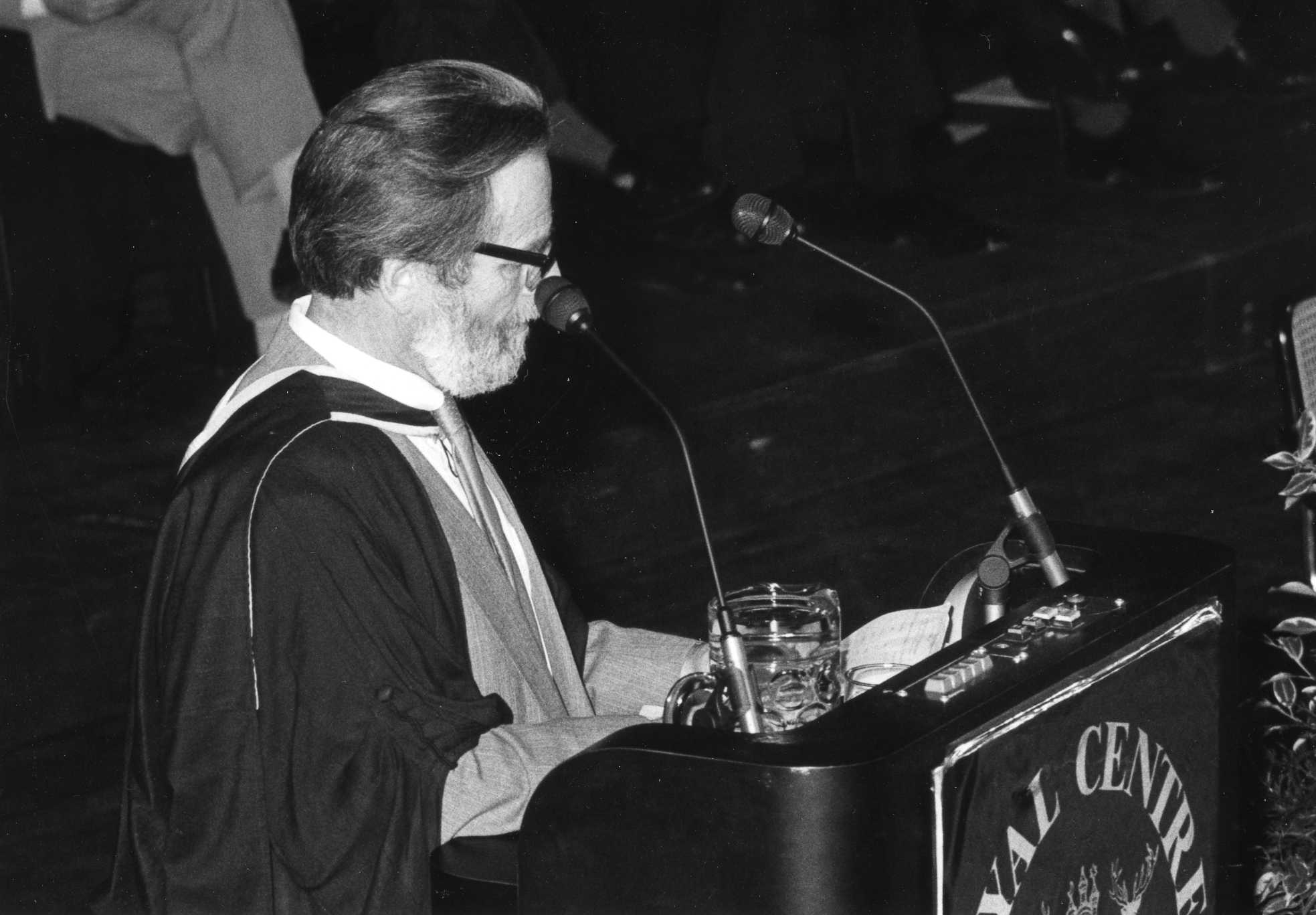
2025 – the year when my father’s hold on life finally slipped, after 97 years and the erosion of his mind and memory by dementia. I reflected on his life here. Writing about him, on this site and on the Guardian’s Other Lives obituary section, was my way of honouring who he was, before.
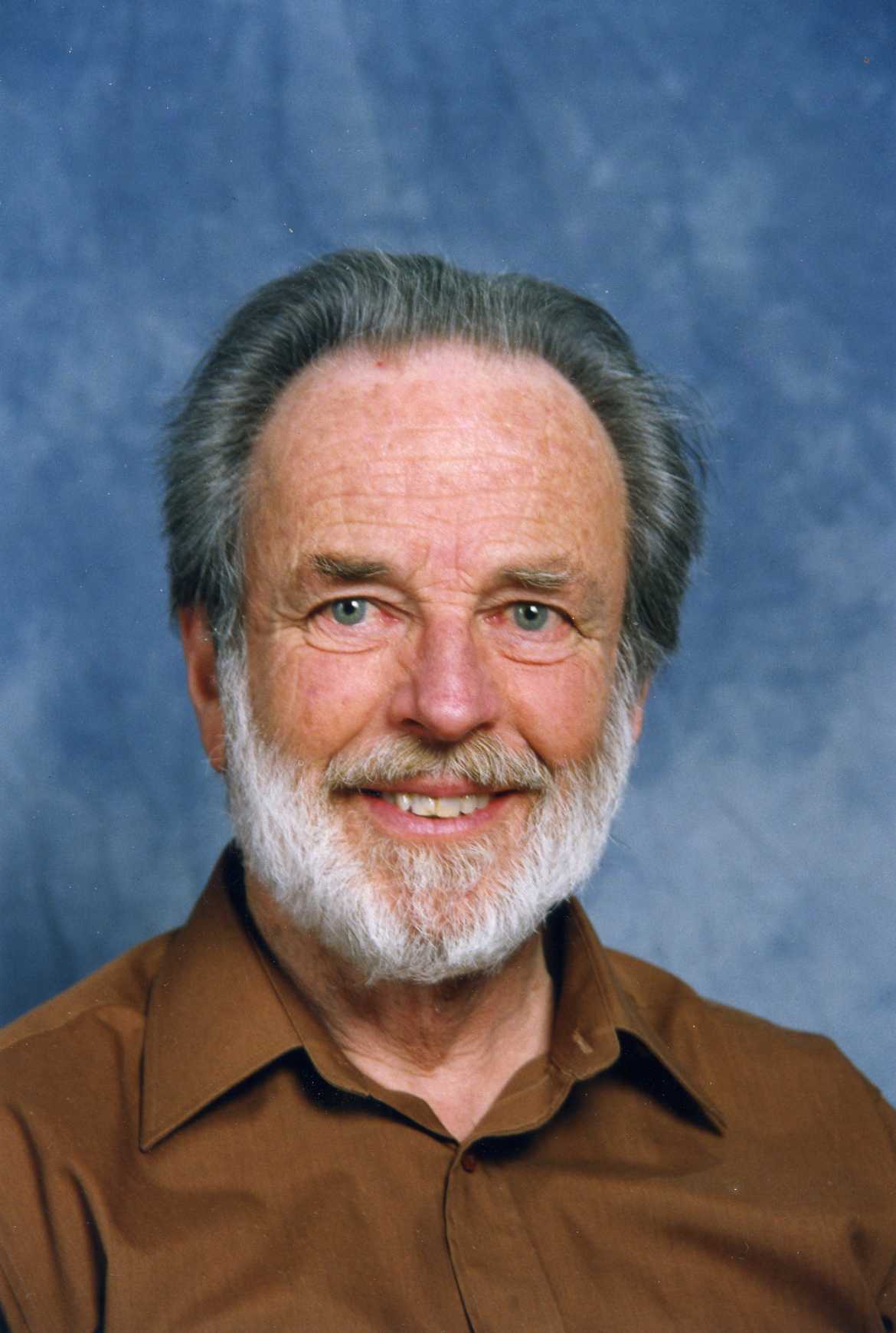
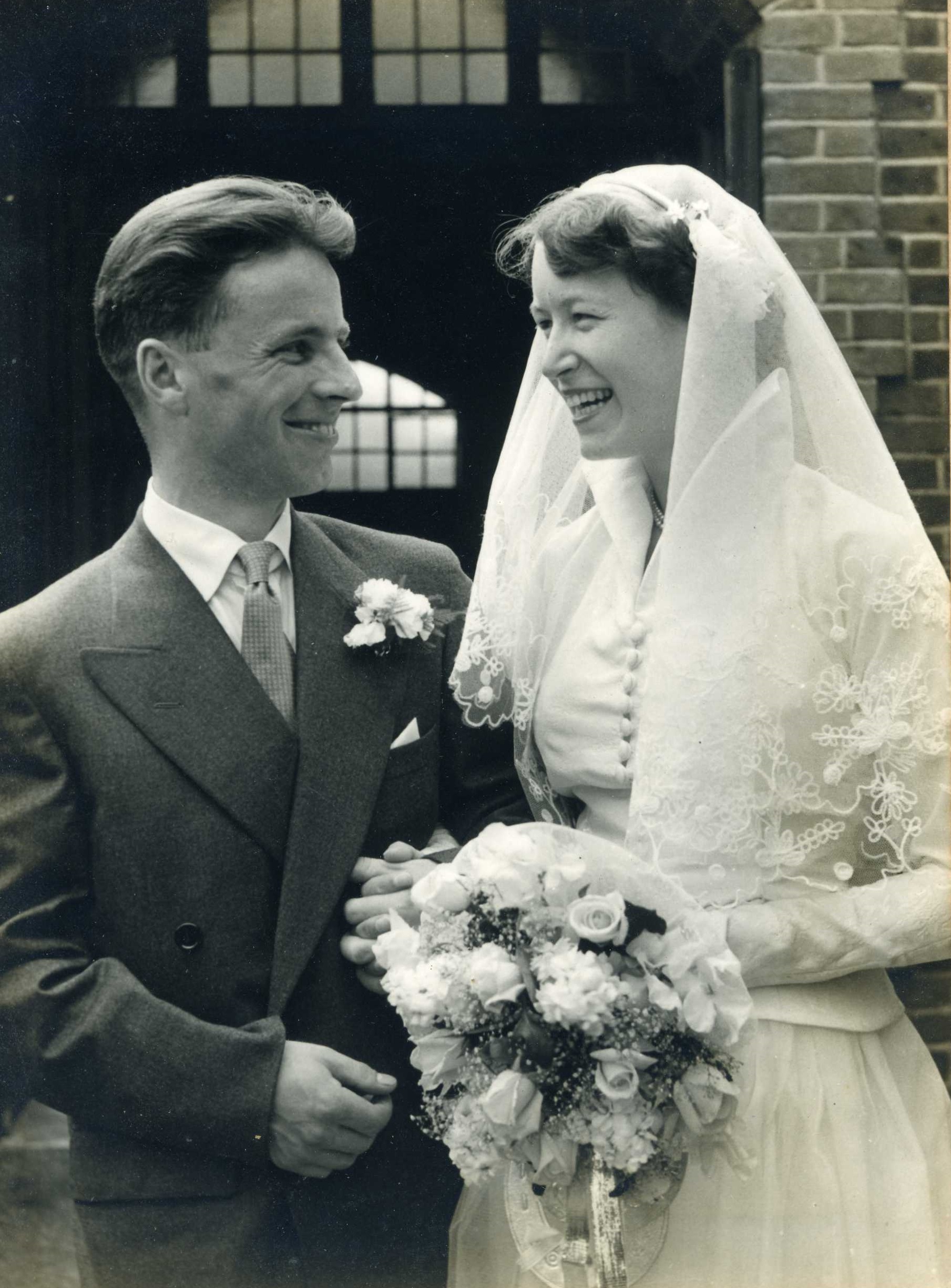
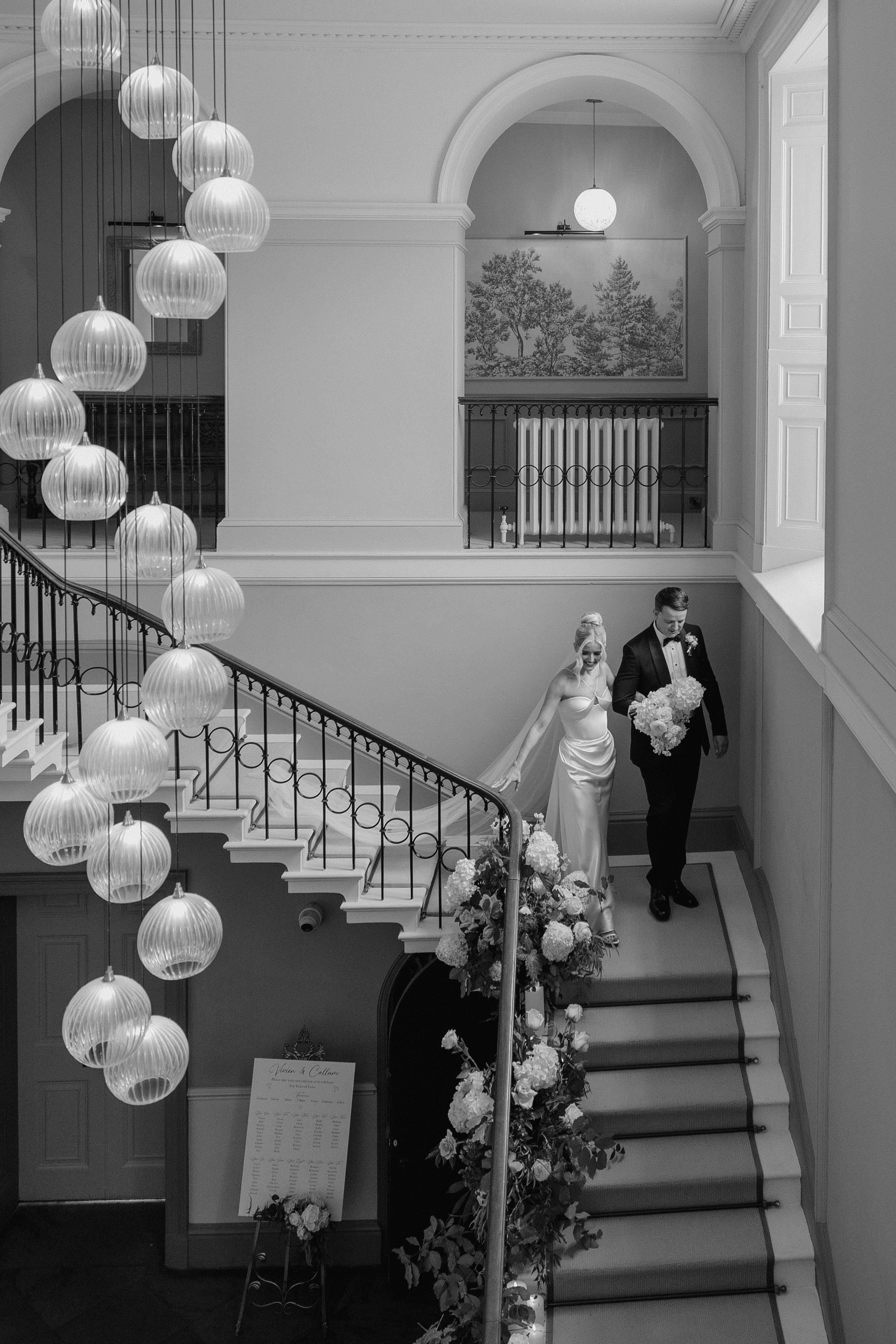
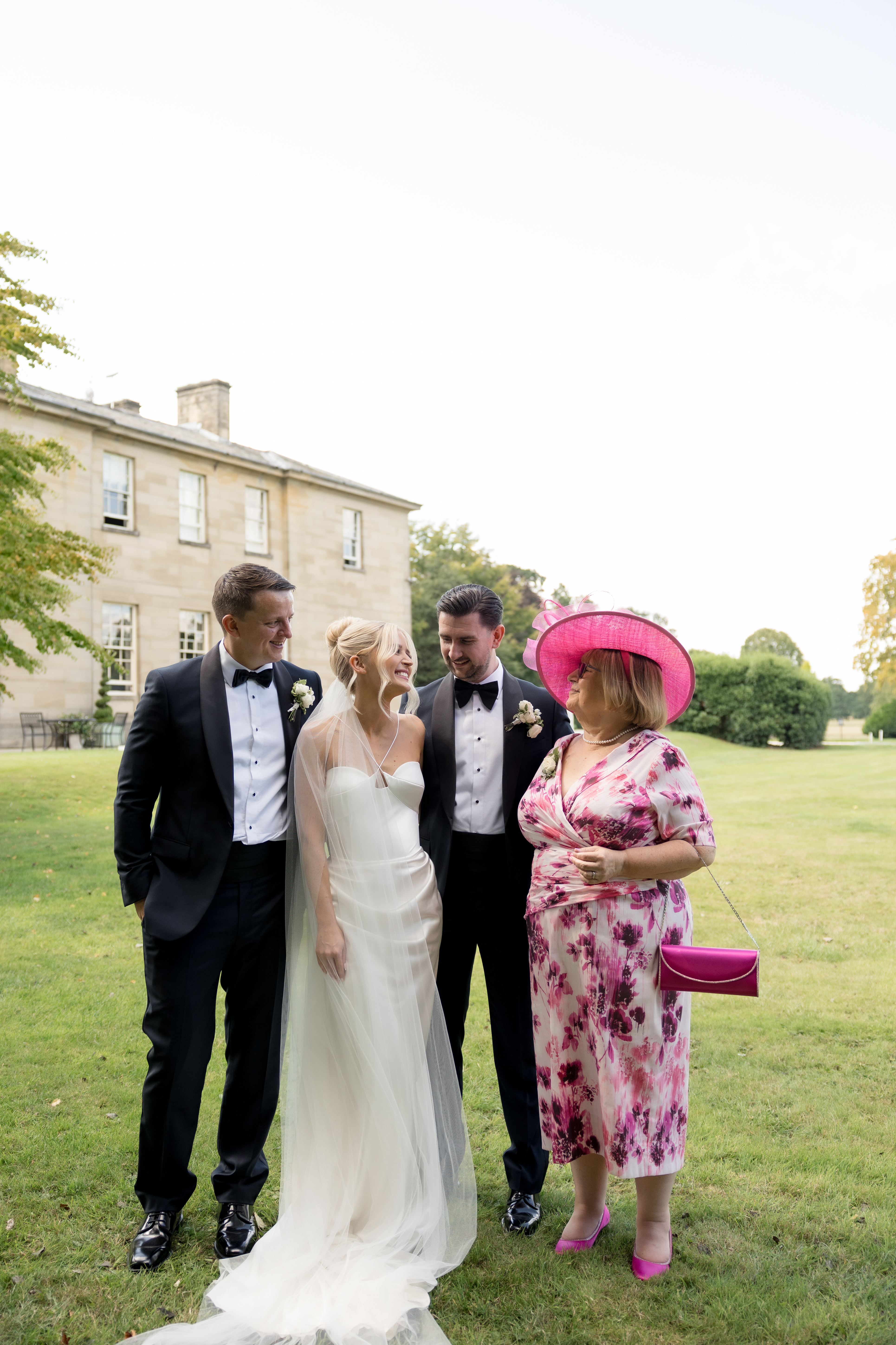
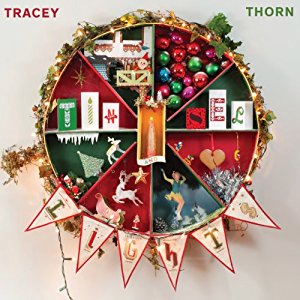
And it was a year when we celebrated love, companionship and family as my daughter married her partner of ten years – a purely joyful day, as the sincerity and seriousness of their commitment was expressed joyfully, as everyone there shared in their joy. Of course we were conscious of the people who should have been there but, as Tracy Thorn puts it in her song ‘Joy’, ‘because of the dark, we see the beauty in the spark’. It was a deeper thing than just happiness or contentment, and that’s because we were aware, we could not be unaware, of mortality and of the fragility of life but at the same time, daring to rejoice in the couple’s commitment to their shared future.

A year when I decided to take my health seriously, something I just couldn’t put my mind to for a while after M died. It had to be sustainable change, anything else is simply demoralising. I changed my diet (I didn’t ‘go on a diet’, I’ve been there, done that, and it is always miserable and always short-lived), and I stopped drinking alone (I’d been kidding myself it was making evenings on my own feel better, but it really wasn’t, and in the early hours of the morning, it felt a lot worse). And having discovered that Pilates is a form of physical exercise that I actually enjoy (who knew there was such a thing?) I added two live on-line classes to my weekly studio class, and found myself really making progress. Now, I didn’t do any of this with the intention of losing weight, which is a good thing, because I have lost not one ounce or one inch. But because I had other goals than that, I can be philosophical about the weight thing, rather than seeing it as a failure. I’m healthier, physically and mentally, and that’s enough. (By the way, if you feel moved after reading this to send me links to miraculous weight-loss techniques, please note that they will be deleted unread and you will be blocked. Cheers!)
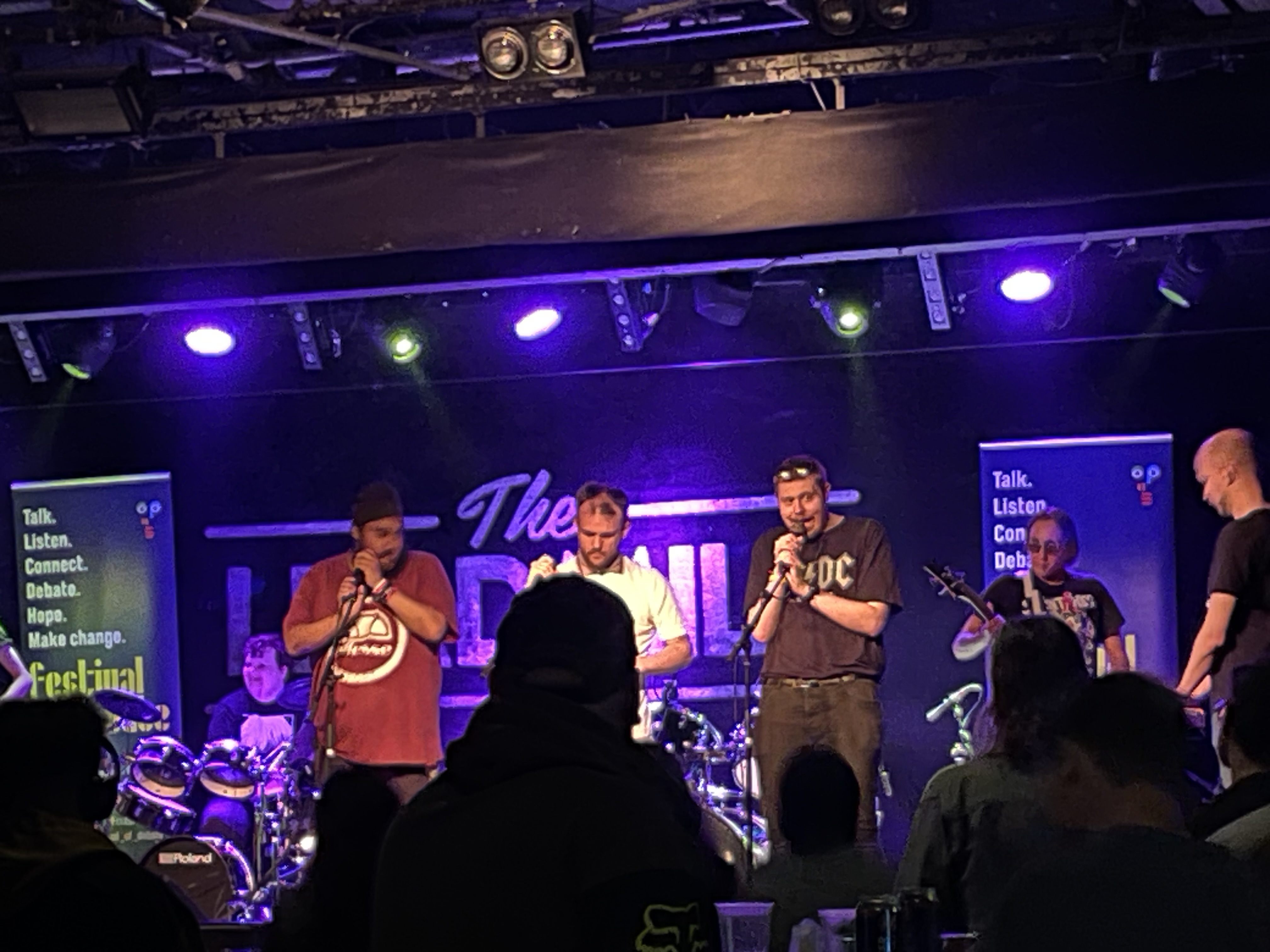
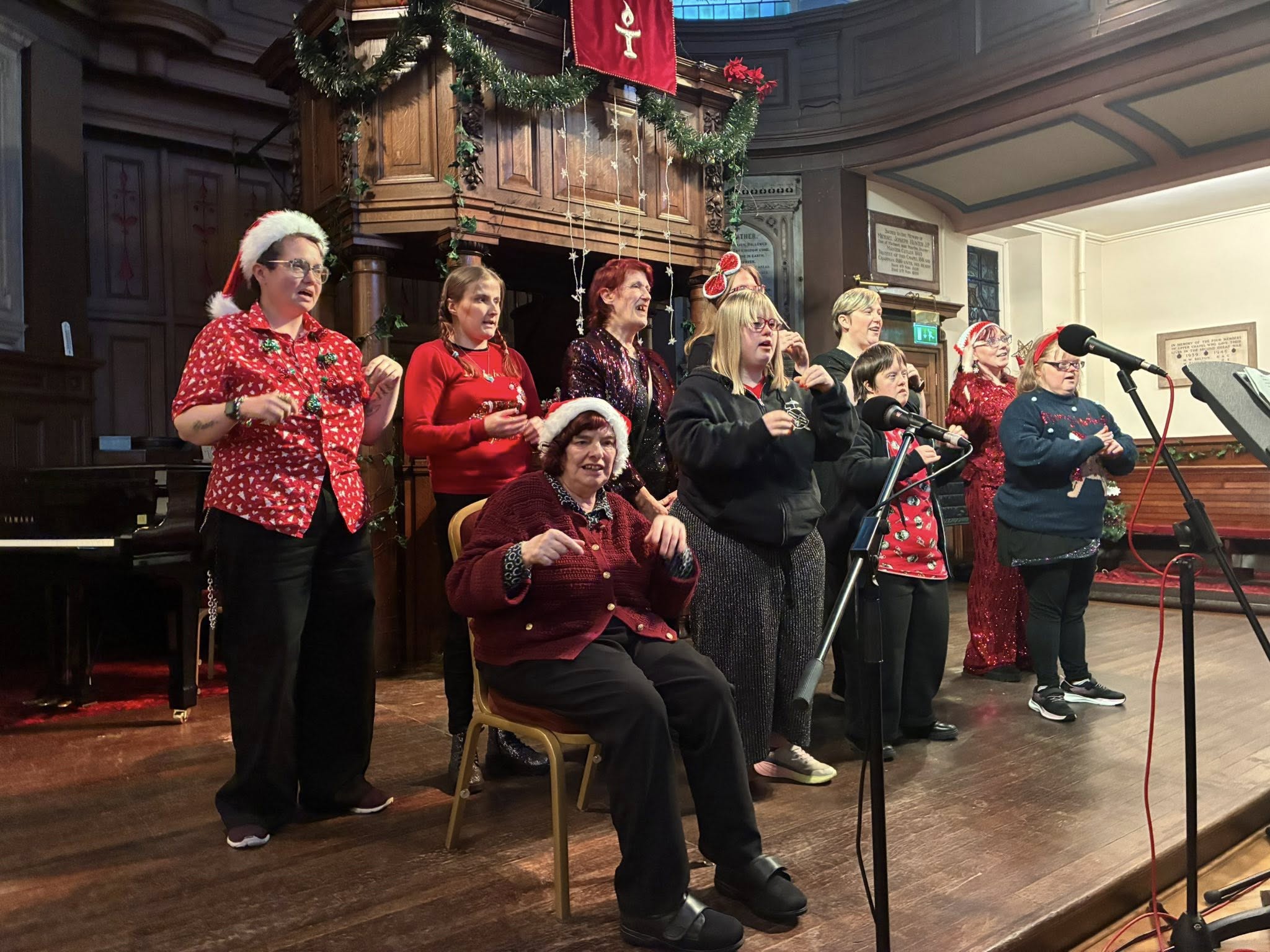
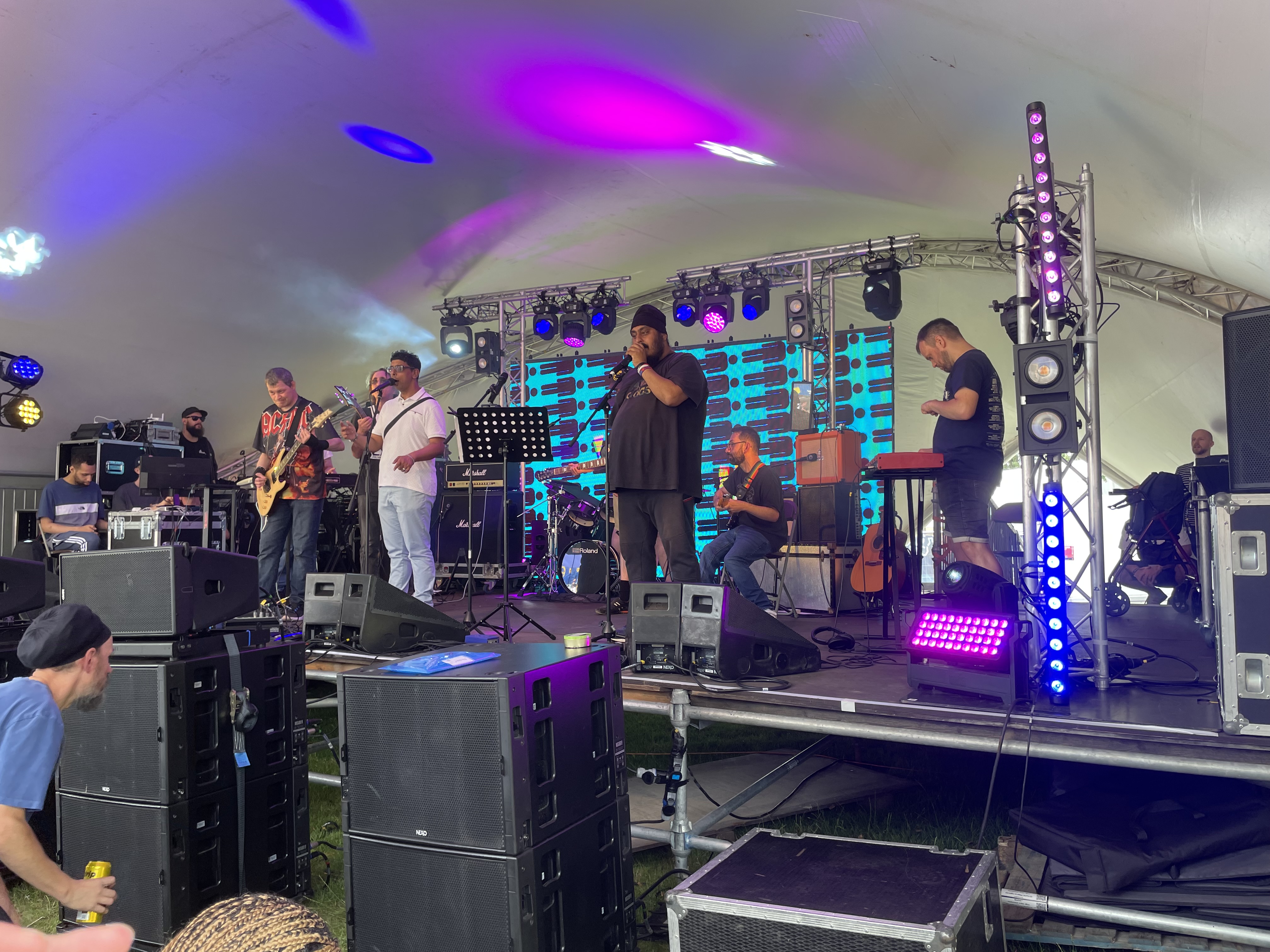
Late last year I took on the role of Chair of the Under the Stars Board of Trustees. One of my best decisions ever was to join them as a trustee in 2023, and to be part of the incredible work they do. I feel privileged to be able to support the staff and the CEO in particular, and to see our participants finding joy in performing on the Crucible stage, at the Tramlines festival, and a variety of other venues. Stephen Unwin’s book Beautiful Lives, which traces the history of attitudes to people with learning disabilities and looks at how we can do better, was my non-fiction read of the year (see my books blog). It’s heartbreaking and horrifying – not just the murder of ‘useless mouths’ during the Nazi era but the denial of agency and dignity for so long to so many. But it’s also hopeful, and personal, and it moved me a great deal. This year I was cheering on Ellie Goldstein, who has Down’s Syndrome, as a competitor on Strictly Come Dancing. She gave the lie to any idea that ‘learning disability’ means inability to learn, as she grasped complex sequences of tricky dance moves that I would never be able to hold on to – whenever I was at a disco in my younger years I used to head for the loo or the bar when some kind of Macarena/Timewarpy thing got going (I can just about do the Conga). And this year Nnena Kalu, an artist with learning disabilities, was awarded the Turner Prize. If we stop putting all those with LD in a box together, and start listening to them as individuals, finding out what they can do, what they love doing, what hurts them and what gives them confidence, they will achieve more, and they will have a shot at finding joy. I’ve seen it, and I’ve found joy in it myself.
One of my big projects for 2025 has not yet come to fruition – finding a publisher for The Thesis. But I have a better sense of how it needs to be revised and reshaped to make that more likely and, too, a better sense of how much I can realistically do/am willing to do. It’s easier to do that kind of work when you’re within the context of a University, with full access to physical and electronic resources and to people who know stuff. But it’s not just that – I’m older than when I did the PhD, and I’m on my own now, and I don’t have the energy I had ten years ago. So I’m going to update the thesis, taking account of material published since I submitted it, and adapt it to address a wider readership rather than an external examiner. I want it to intrigue and interest readers rather than to prove myself as a scholar. I think that’s feasible, and so I’m not giving up on my dream of seeing the piece of work that absorbed and fascinated me for so long as a published book.
It’s now over four years since M died. The process continues. I’ve adapted lots of my domestic routines of course, and changed a lot of things around the house to make it fit me better. I’ve taken big decisions where I had to (the knee replacement surgery, getting rid of the car), and squillions of smaller decisions as I re-evaluate what I do and how I do it. My big decision for 2026 (so far) is that I will be going on an ‘escorted tour’ taking in Helsinki, Tallinn and Riga, three cities I have never visited and know only a little about. It may turn out that it’s not the sort of holiday that works for me, but if it is, it opens up so many possible ways of travelling and seeing new places. It’s a bit scary – I’m an introvert, and am fairly crap at small talk, and the trip will inevitably involve talking to strangers – but going on an organised tour makes some things a lot easier to contemplate as a solo traveller (see my blog about my previous city break with my son for all the reasons why it might make me rather anxious).
I suppose at some point ‘widow’ will cease to be a defining word for me, but at this stage in the process, it still feels deeply significant. I am still conscious all the time of his absence and it still feels strange – only recently I’ve had the sensation sometimes when I half-wake in the night that I’m not on my own and then the realisation that of course I am. I don’t mean I sense his presence, just that, whilst I’m fully awake I am used to the strangeness of solitude, but in those drowsy moments it puzzles me. I talk about him a lot, to family and friends who knew him, and to people who never knew him, because I can’t talk about my life without talking about him. I switch between ‘I’ and ‘we’ constantly and probably not consistently, because my adult life comprises a ‘before’ and an ‘after’. It’s not that ‘I’ was subsumed in ‘we’, just that our lives were so tangled up together ‘before’.
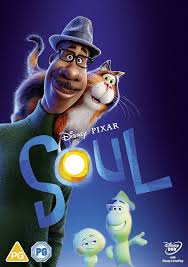
The title for this post is a quote from the Pixar film Soul, which I used in my speech at my daughter’s wedding last August:
“Life isn’t about one big moment. It’s the little things: walking with someone you love, sharing a laugh, watching the light hit their face just right. Love is in the noticing. The ordinary days that turn out to be everything. And maybe the whole point isn’t to chase the grand purpose, but to love deeply, and really live, right where you are.”
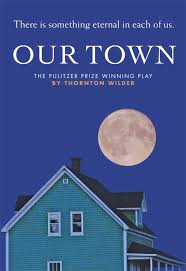
I don’t know whether the writers of Soul were consciously echoing Thornton Wilder’s play Our Town, but it’s not too much of a stretch to think that they were, given how popular the play is in the US. I recently read Ann Patchett’s stunning novel, Tom Lake, in which the play is the thread that runs through the narrative, and was so struck by it that I sought out and watched on YouTube the televised stage version with Paul Newman. And this, in the final act, jumped out at me:
EMILY: ‘Live people don’t understand, do they?’
MRS GIBBS: No dear – not every much.
EMILY: They’re sort of shut up in little boxes, aren’t they? … I didn’t realise. So all that was going on and we never noticed. … Oh, earth, you’re too wonderful for anybody to realise you. Do any human beings ever realise life while they live it? – every, every minute?
STAGE MANAGER: No. [Pause] The saints and poets, maybe – they do some.
Maybe that’s right, we can’t realise or notice every minute, we’re too busy living them, but we can try – to notice and to treasure. There are two strands of thought here for me. One is that the ordinary days ‘turn out to be everything’, a theme that I explored in my eulogy for M, focusing on the day before he died, about which I would remember hardly anything except that it was the last ordinary day, and thus extraordinary. The other is that joy is something we hope for rather than being able to predict or plan for, but that finding it depends on us noticing, noticing the people who we love and who love us, the beauty in music, in words, in the landscape or skyscape. And it depends on us realising that there’s a kind of defiance in joy, that it faces down the dark, the loss and grief, not denying them but just saying ‘there is also this, and this is marvellous and wonderful’, throwing the joy in those marvellous ordinary days in the face of whatever the year might bring.
I look back at 2025 with gratitude to all the people who made it good. Wonderful family and friends, sharing each other’s joys and sorrows. The care home staff who looked after Dad, treated him always with affection and respect, and held his hand as he slipped away. The Under the Stars team and our participants. The musicians who stirred my soul, my mind and my feet. The writers whose words allowed me to cross continents and centuries and to see into other people’s hearts and minds.
So as we move from one year into another, let’s ‘gather up our fears/And face down all the coming years’. Let’s hang on to our hats, hang on to our hope, let’s keep on keeping on. See you on the other side…
Tracy Thorn, ‘Joy’, from Tinsel & Lights, 2012
When someone very dear
Calls you with the words “everything’s all clear “
That’s what you want to hear
But you know it might be different in the New Year
That’s why, that’s why we hang the lights so high
Joy, Joy, Joy, Joy,
You loved it as a kid, and now you need it more than you ever did
It’s because of the dark; we see the beauty in the spark
That’s why, that’s why the carols make you cry
Joy, Joy, Joy, Joy Joy, Joy, Joy, Joy
Tinsel on the tree, yes I see
The holly on the door, like before
The candles in the gloom, light the room
the Sally Army band, yes I understand
So light the winds of fire,
and watch as the flames grow higher
we’ll gather up our fears
And face down all the coming years
All that they destroy
And in their face we throw our
Joy, Joy, Joy, Joy
It’s why, we hang the lights so high
And gaze at the glow of silver birches in the snow
Because of the dark, we see the beauty in the spark
We must be alright, if we could make up Christmas night.
 Passing Time